
Discover the serious health risks of energy drinks for teenagers, from heart issues to sleep deprivation. Learn about safer, natural energy alternatives today.
In recent years, the consumption of energy drinks among teenagers has skyrocketed. Marketed as a quick fix for exhaustion, a study aid for late-night exams, or a performance booster for athletes, these beverages are now a staple in many high schoolers’ backpacks. However, beneath the vibrant packaging and catchy slogans lies a cocktail of ingredients that can pose significant risks to a developing body.
As a parent or educator, understanding the energy drink side effects on teenagers is crucial for preventing long-term health complications.
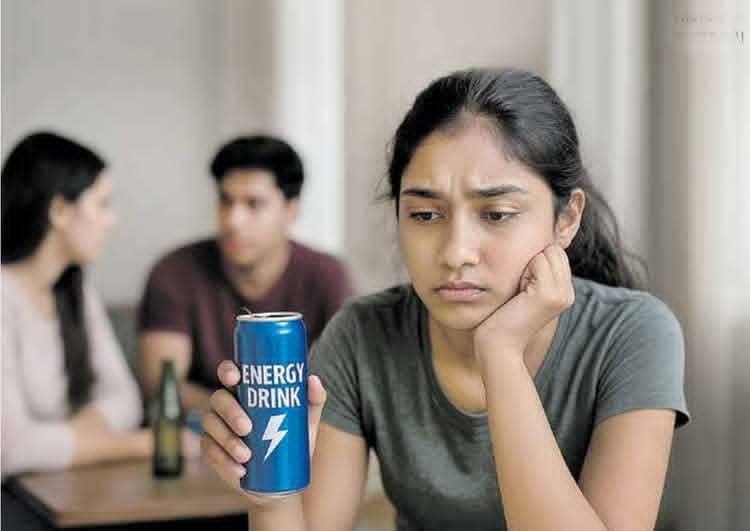
Why Are Energy Drinks So Popular Among Teens?
Before diving into the risks, it’s important to understand the “pull” factor. Most teens gravitate toward these drinks due to:
- Aggressive Marketing: Brands often sponsor extreme sports and gaming influencers, making these drinks look “cool.”
- Academic Pressure: Students use them to stay awake during intense study sessions.
- Peer Influence: Drinking specific brands has become a social trend in middle and high schools.
5 Major Health Risks of Energy Drinks for Adolescents
1. Excessive Caffeine Consumption
While an adult might handle a cup of coffee, many energy drinks contain double or triple the caffeine of a standard soda.
- The Impact: In teens, this can lead to heart palpitations, increased blood pressure, and even cardiac arrest in extreme cases.
- Nervous System: It causes jitters, tremors, and heightened anxiety levels.
2. Disruptive Sleep Patterns
Caffeine has a half-life of about 5–6 hours. If a teen drinks one in the afternoon, the stimulant is still active at bedtime.
- The Cycle: Lack of sleep leads to fatigue the next day, which leads to reaching for another energy drink—creating a dangerous cycle of chronic insomnia.
3. High Sugar Content and Obesity
A single 16oz can often contain upwards of 50–60 grams of sugar (about 12–15 teaspoons).
- Risks: This massive sugar spike contributes to insulin resistance, Type 2 diabetes, and childhood obesity.
- Dental Health: The combination of sugar and high acidity erodes tooth enamel, leading to rapid tooth decay.
4. Bone Health and Nutrient Depletion
Teenage years are critical for bone density development. Studies suggest that high caffeine intake can interfere with calcium absorption, potentially leading to weaker bones later in life.
5. Behavioral and Mental Health Issues
Research has linked high energy drink consumption to increased irritability, mood swings, and even “sensation-seeking” behaviors. For a developing brain, these chemical stimulants can alter focus and emotional regulation.
Natural and Healthy Energy Alternatives
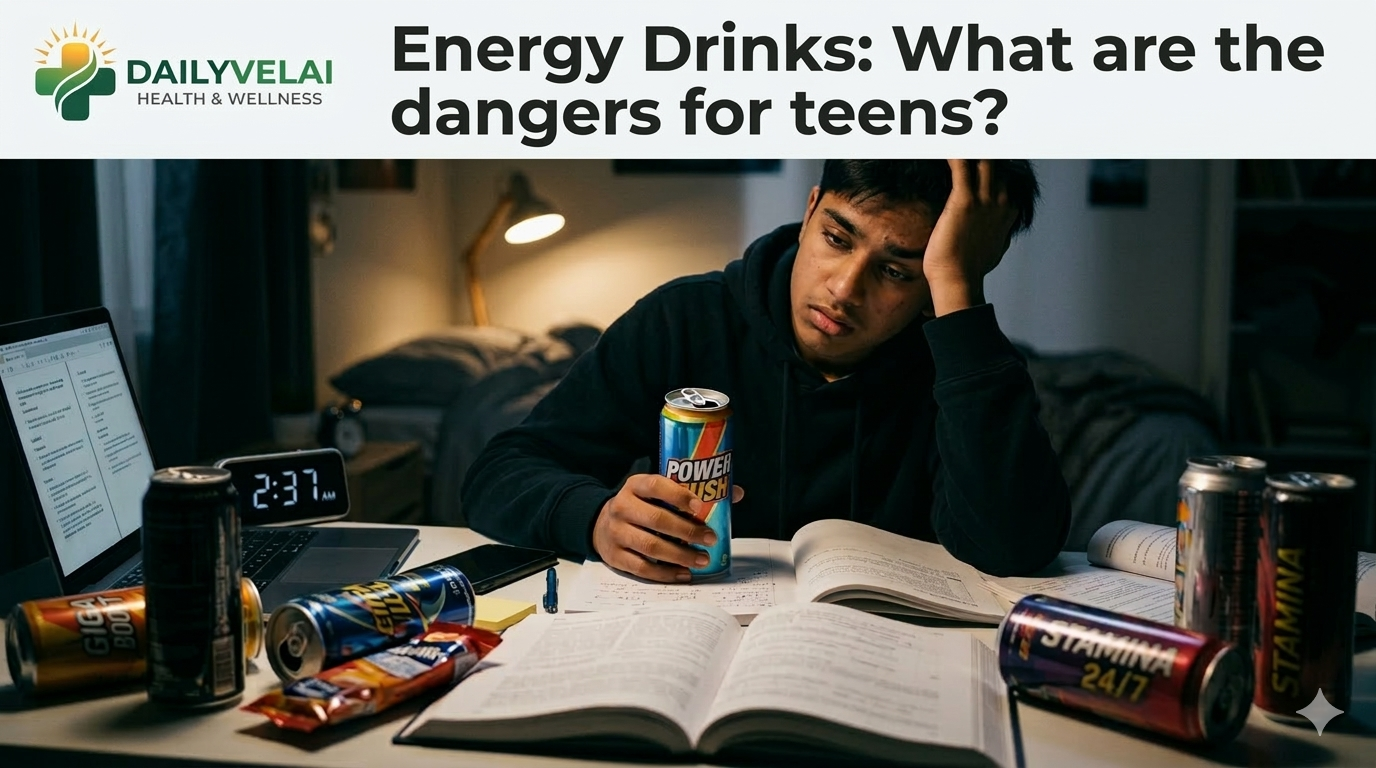
If your teen needs a boost, suggest these safer, nutrient-dense options:
- Hydration (Water): Fatigue is often just a sign of dehydration.
- Complex Carbs: A bowl of oatmeal or a piece of whole-grain toast provides sustained energy without the “crash.”
- Fresh Fruits: Bananas and apples provide natural sugars and fiber.
- Green Tea: Contains lower caffeine levels and beneficial antioxidants if a mild stimulant is necessary.
The Bottom Line
While energy drinks promise a temporary spark, the long-term cost to a teenager’s health is too high. Open communication and education are the best tools to help them make better choices.
Link :- CDC (Centers for Disease Control and Prevention) https://www.cdc.gov/healthyschools/nutrition/energy.htm