Top Tips for Career Success
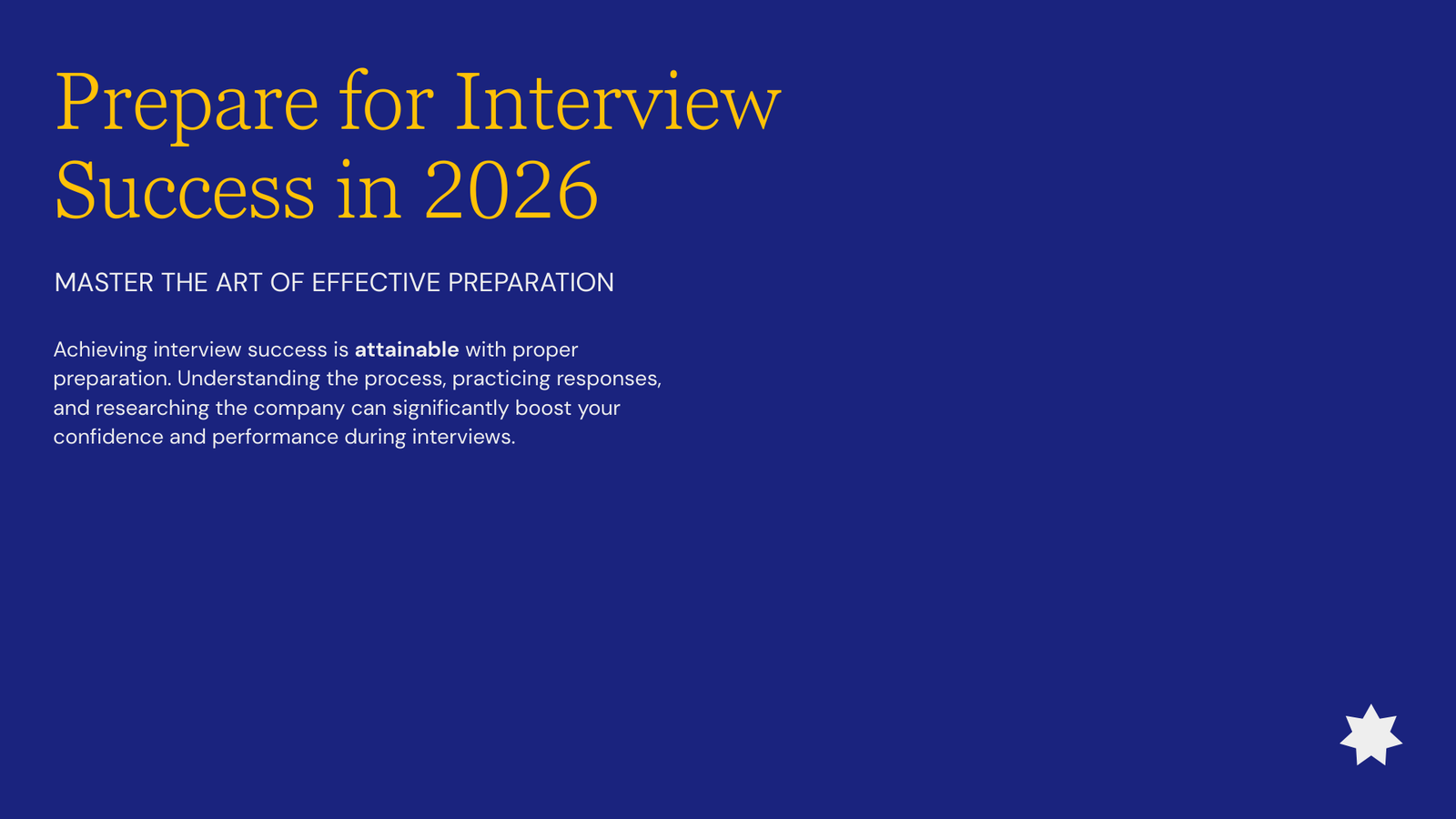
Top Tips for Career Success – Preparing for an interview can be a nerve-wracking experience, but with the right strategy, you can turn that pressure into a professional performance. Whether you are looking for your first role or are an experienced healthcare professional, such as a nurse, standing out requires preparation.
At DailyVelai.com, we want to see you succeed. These essential interview tips will help you articulate your skills effectively and land your dream job.

1. Perfect Your “Elevator Pitch”
The most common opening is: “Tell me about yourself.” This is not a request for your life history. Instead, use it as a brief commercial for your professional self. Follow this simple structure:
- The Past: Your educational foundation and previous work/clinical background.
- The Present: Your current role and a key strength or achievement.
- The Future: Why you are specifically excited about this opening and how it fits your career goals.
2. Master the STAR Method for Behavioral Questions
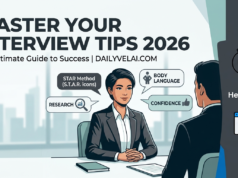
When an interviewer says, “Tell me about a time you…” (handled a crisis, prioritized tasks, disagreed with a colleague), they are looking for behavioral examples. Use the STAR technique to structure your answer:
- S (Situation): Set the context. Where and when?
- T (Task): What was the challenge or objective?
- A (Action): What specific steps did you take?
- R (Result): What was the positive outcome or resolution?
Pro Tip for Nurses: When discussing critical situations, emphasize patient safety, clear communication, and remaining calm under pressure. Employers in the medical field need to know you can make sound decisions when it matters most.
3. Research the Organization Thoroughly
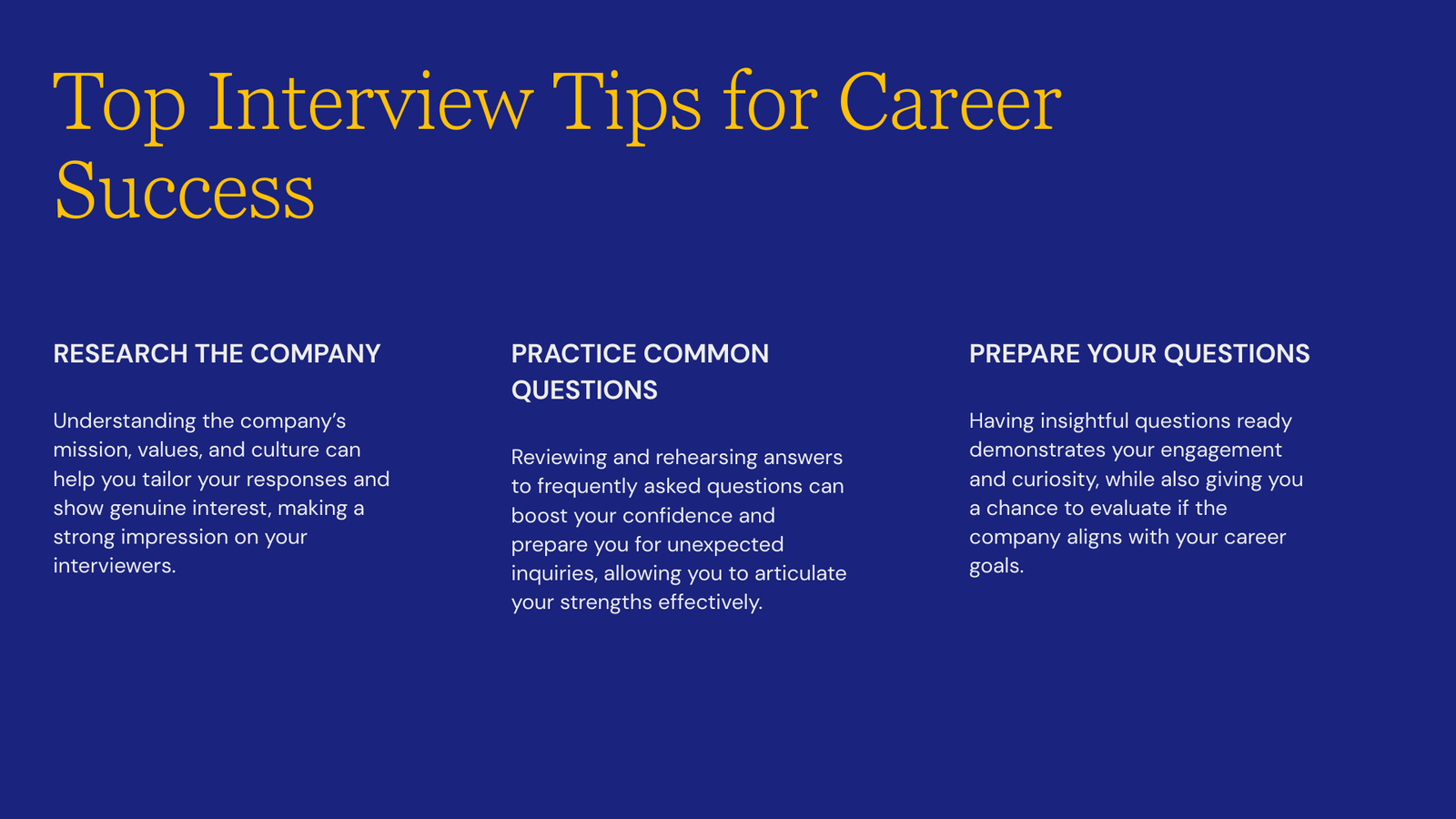
Don’t walk into the room knowing only the job title. To impress, you must know whom you are speaking to. Before the interview, research:
- The Mission and Values: Does the company or hospital prioritize “Innovation,” “Community,” or “Patient-Centered Care”? Mention these during your talk.
- Specific Services: Know the departments they specialize in (e.g., ICU, outpatient care, software development).
- Recent News: Check their website or LinkedIn for recent awards, new facilities, or expansions.
4. Professional Presentation and Body Language
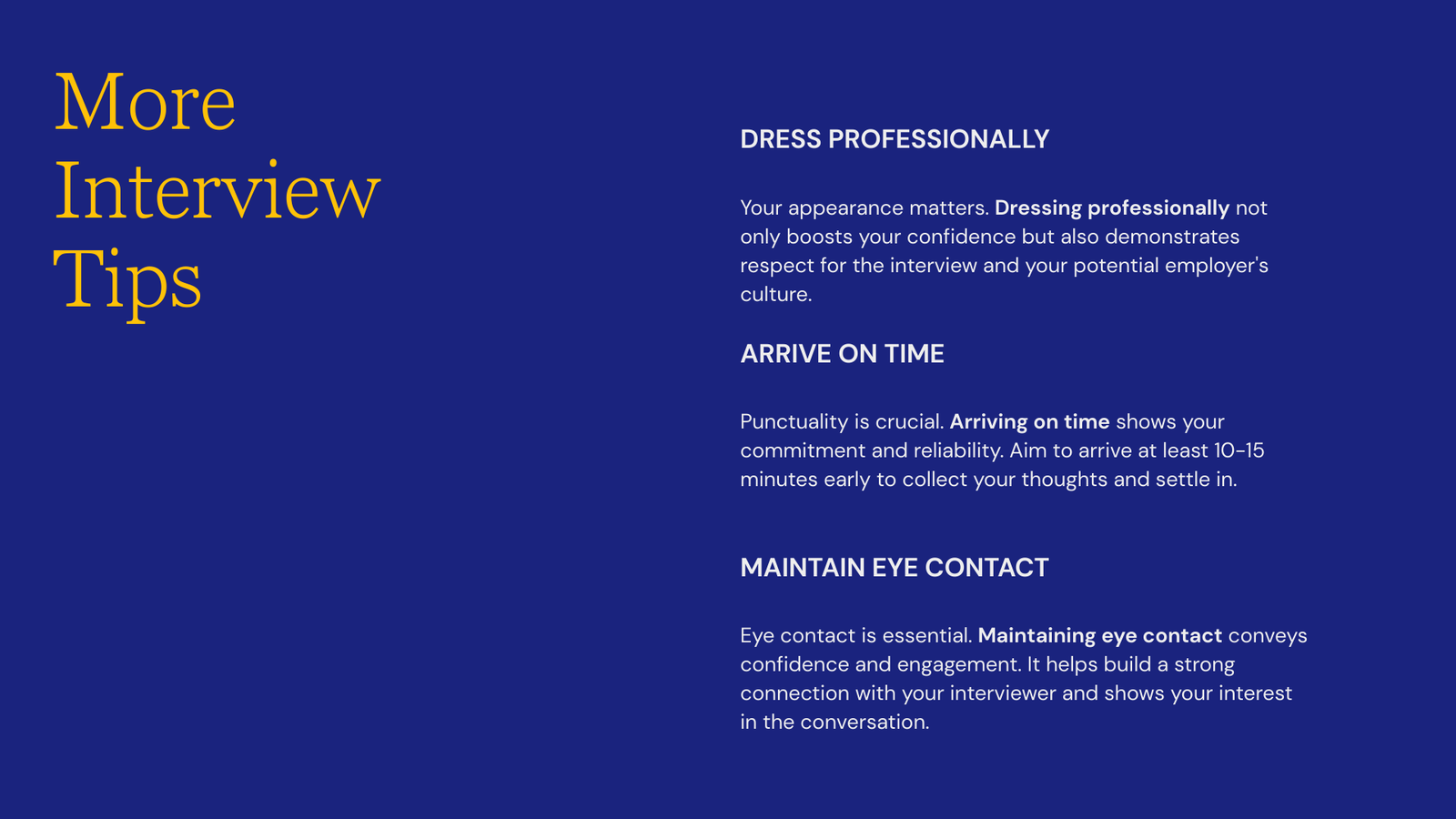
First impressions are crucial. Even for roles that wear scrubs, your interview attire matters.
- Dress Code: Dress “business professional” unless told otherwise. A formal shirt, trousers, or a suit shows respect for the process.
- Body Language: Maintain strong, friendly eye contact. Offer a warm, professional greeting. Sit upright to project confidence, and avoid fidgeting.
- Active Listening: Listen completely to the question before answering. It shows respect and ensures your answer is relevant.
5. End with Powerful Questions

An interview is a two-way conversation. Asking thoughtful questions proves your serious interest in the role. Try these:
- “What does a typical day or shift look like in this department?”
- “What are the primary challenges your team is currently focusing on?”
- “Are there opportunities for ongoing professional development or further certifications (such as a BSc upgrade for nursing staff)?”
Conclusion
Success in an interview comes down to preparation and confidence. Treat it as your moment to showcase how your unique skills solve the employer’s problems and how you can contribute to their team’s growth. With these tips, you are ready to succeed!
Good luck with your next career move!