Mastering the Art of CV & Resume Writing: Your 2026 Gateway to Career Success
In today’s hyper-competitive job market, your CV (Curriculum Vitae) or Resume is more than just a piece of paper—it is your personal marketing tool. Recruiters often spend less than 6 seconds scanning a resume before deciding whether to keep it or toss it. To stand out, your document must be professional, concise, and strategically structured.
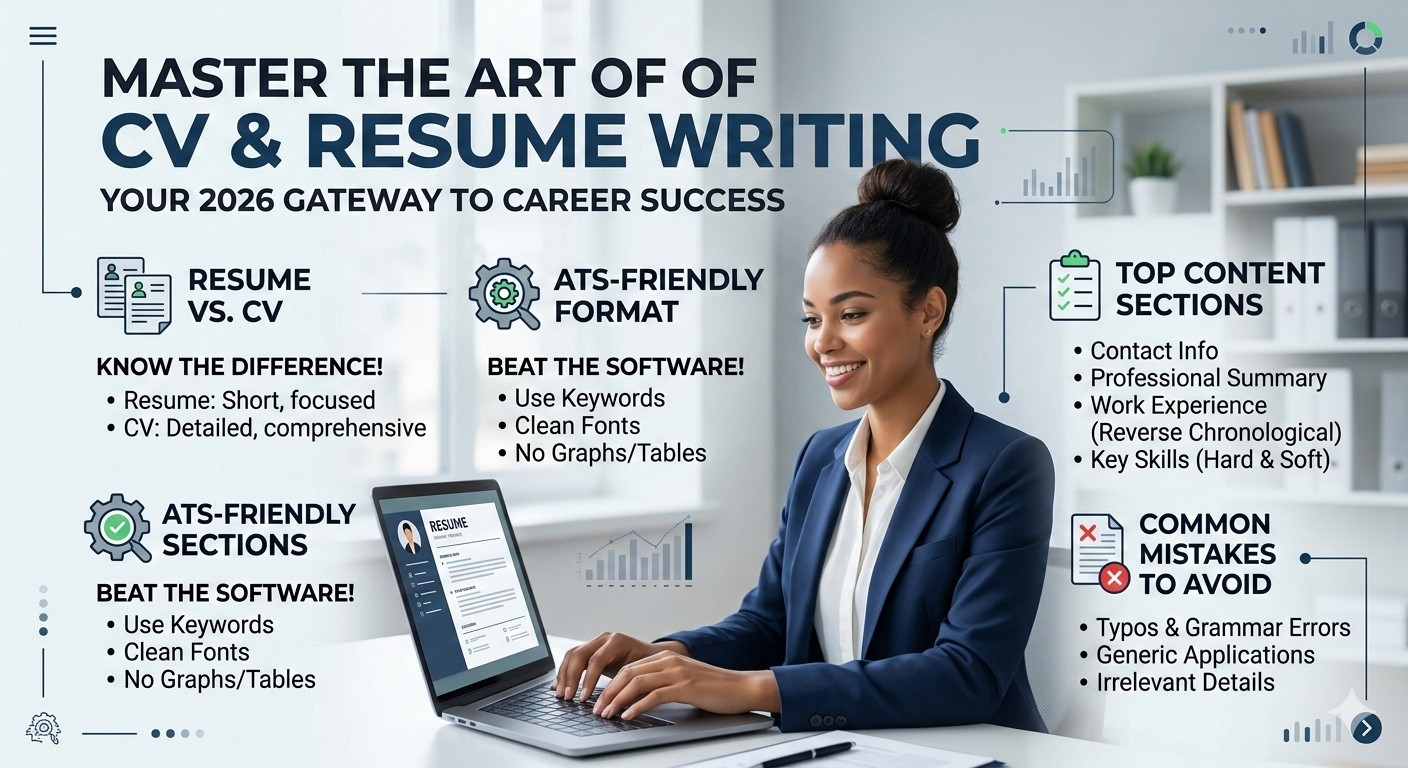
1. Resume vs. CV: Which One Do You Need?
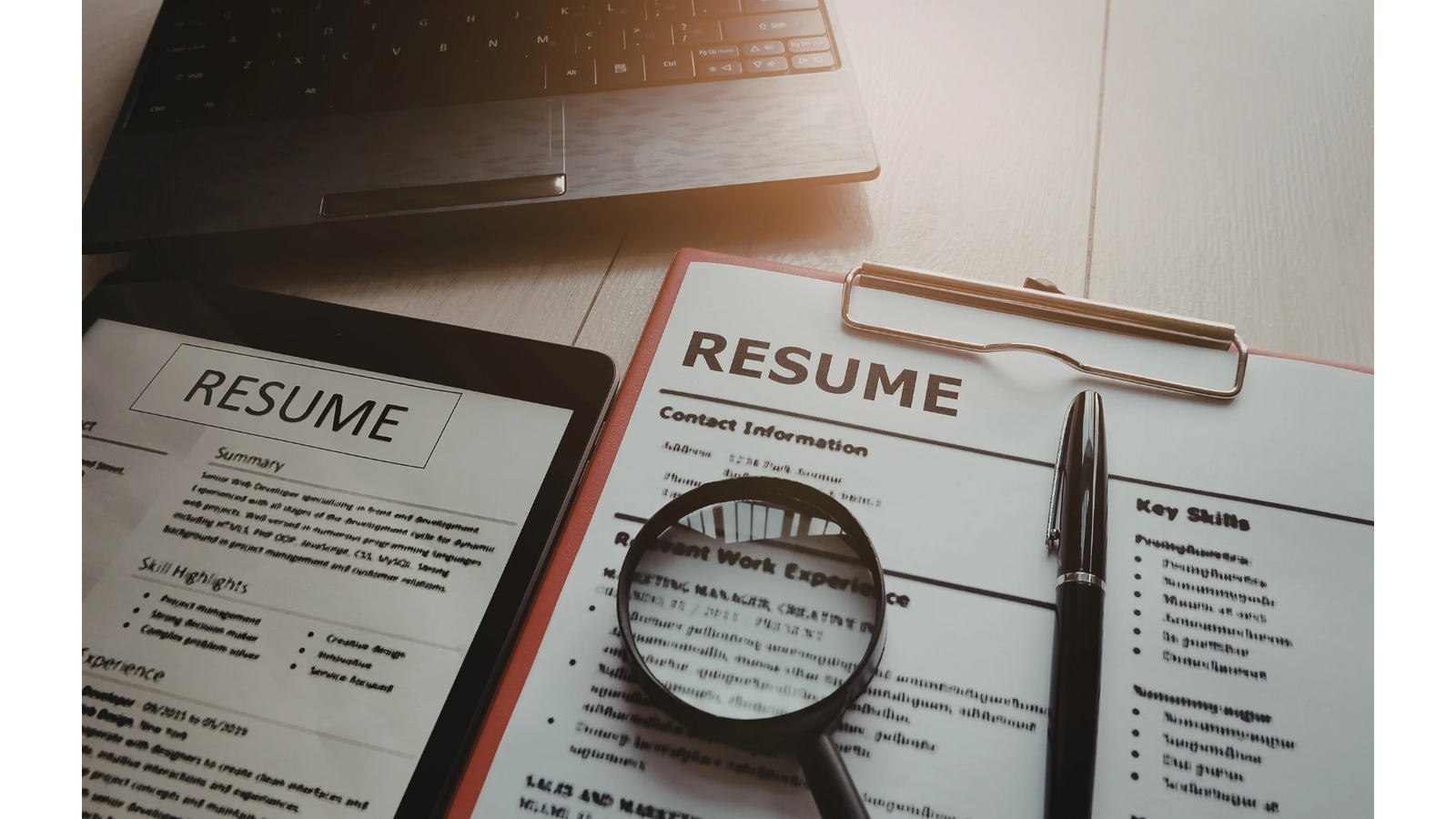
While often used interchangeably, there is a technical difference that every job seeker should know:
- Resume: A brief, 1-2 page document focusing on specific skills and experiences relevant to a particular job. This is the standard for most private-sector jobs.
- CV: A more detailed, multi-page document covering your entire academic and professional history. It is commonly used in medical, academic, and research fields.
2. The Anatomy of a Winning Resume
To grab a recruiter’s attention instantly, ensure your resume includes these core sections:
Contact Information
Include your full name, a professional phone number, your location (City, Country), and a clean LinkedIn profile link. Ensure your email address looks professional (e.g., name.surname@email.com).
Professional Summary
Think of this as your 3-line “elevator pitch.” Highlight your years of experience, your top achievements, and the unique value you bring to the company.
Work Experience
List your roles in reverse-chronological order (starting with your most recent job). Instead of just listing duties, focus on achievements.
Example: “Increased sales by 20% in 6 months” sounds better than “Responsible for sales.”
Key Skills
Include a balanced mix of:
- Hard Skills: Technical abilities like software proficiency, nursing certifications, or coding.
- Soft Skills: Universal traits like leadership, communication, and time management.
3. Cracking the ATS (Applicant Tracking System)
Most modern companies use ATS software to filter candidates before a human ever sees the application. If your resume isn’t “ATS-friendly,” it might get rejected automatically.
- You can use tools like Jobscan to check if your resume is optimized for ATS software.”
- “If you need professional design inspiration, check out these Canva Resume Templates.”
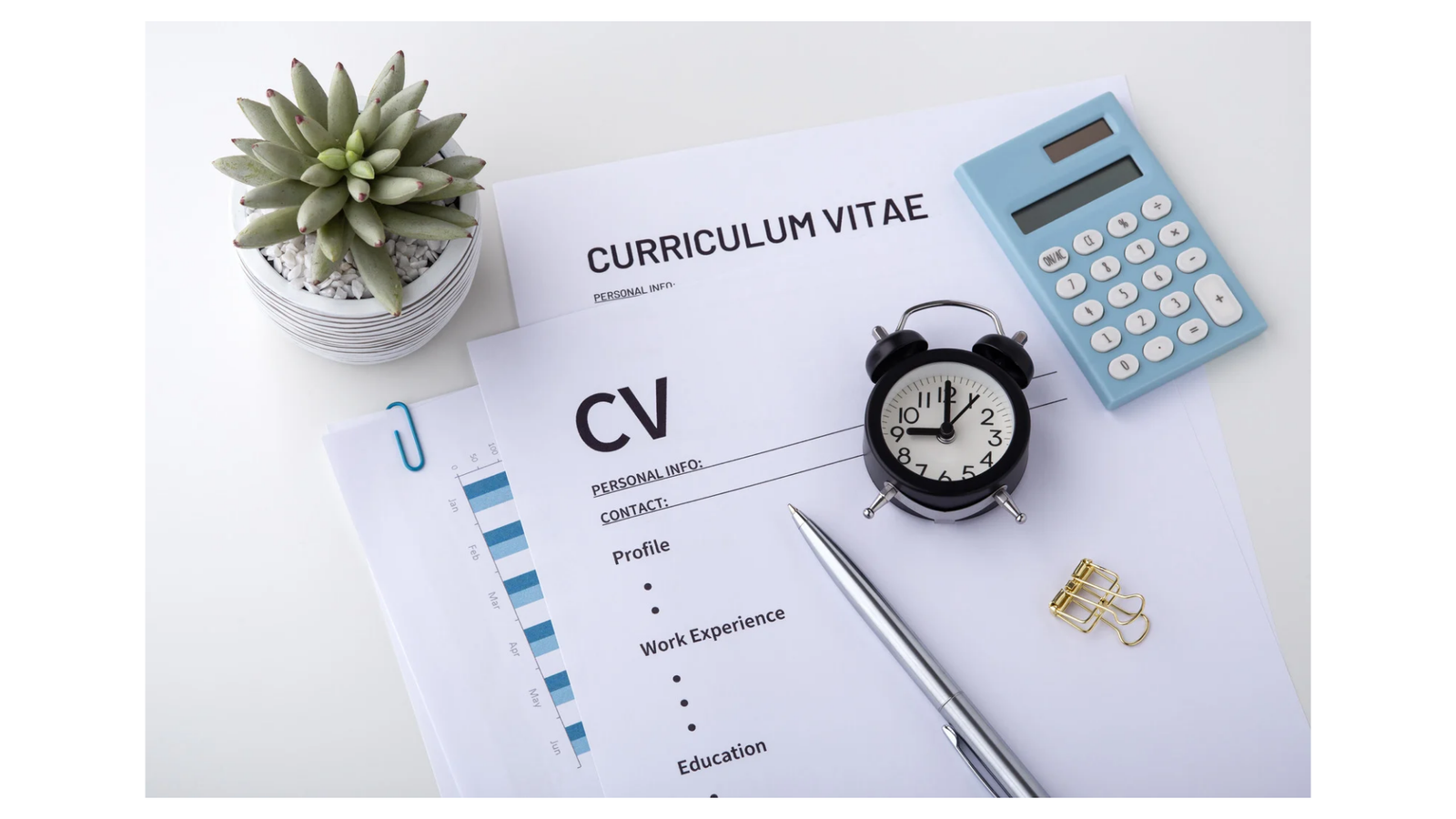
How to optimize for ATS:
- Use Keywords: Read the Job Description (JD) carefully and naturally include the specific skills or tools mentioned there.
- Simple Formatting: Use clean fonts like Arial or Calibri. Avoid complex graphics, tables, or images that might confuse the software.
- Standard File Format: Unless specified otherwise, always save and send your document as a PDF to ensure the layout stays perfect.
4. Top Mistakes to Avoid in 2026
- Generic Content: Never send the same resume to 10 different companies. Tailor it specifically to each role.
- Typos and Grammar: A single spelling mistake can signal a lack of attention to detail. Always proofread twice.
- Irrelevant Info: Avoid including your age, marital status, or religion unless it is a specific legal requirement for the role.
Conclusion: Your Roadmap to the Interview
A great resume doesn’t just list where you worked; it tells the story of how you can solve a company’s problems. By focusing on your impact and optimizing for search bots, you significantly increase your chances of landing that dream interview.